


Spotify: Music & Podcasts
3.9516.00 Reviews
App Specs
- Version
- 1.134.2
- Updated On
- License
- Free
- Downloads
- 100,000,000+
- Developer
- Spotify AB
- Categories
- Music & Audio
- Platform
- Android, iOS
Screenshots
 Analysis by AppCompare
I judge a listening app by what it lets me do without asking me to hand over more control than I’m comfortable with. Spotify: Music & Podcasts is a familiar name in music and audio, but its real value depends on how you use it: as a place to find new artists, a home for regular shows, or a convenient soundtrack for the day. I’d treat it as a flexible listening tool rather than assume that every recommendation or social feature will suit every listener.
A familiar service, with choices worth noticing
Spotify is a free music and audio app from Spotify AB. It has a 3.8 average from around 33,000 ratings, and more than 100 million installs. That reach makes it easy to find people who already share playlists or know how its listening habits work, but popularity alone doesn’t tell me whether its choices fit my own priorities. I’d pay attention to the controls I actually use and decide from there.
The app is rated Teen, runs on Android 6.0 or later, and its current version is 1.118.1. It first appeared on May 10, 2016. Those details help set expectations about compatibility and audience; they don’t tell me how the app will feel on a particular device or what I’ll find in every region. I’d check the current app settings and store details on my own device before making a decision based on a specific need.
Spotify Experience: A Personal DJ
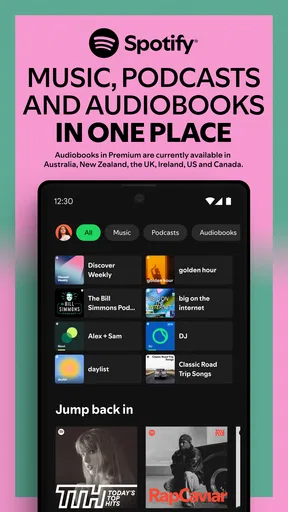
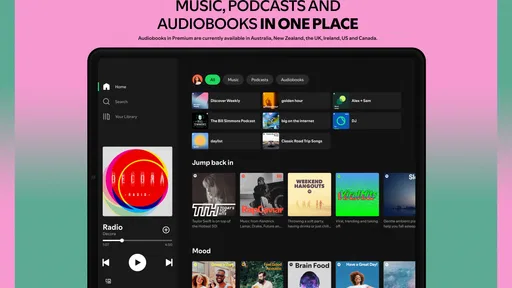
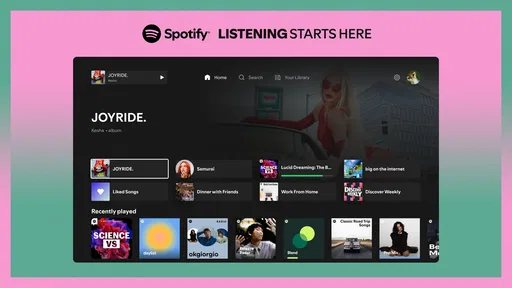
From the moment you open Spotify, you're greeted with a sleek and intuitive interface. It’s like the app knows exactly what you’re in the mood for, thanks to its smart algorithms. Whether you’re into pop, jazz, or a bit of everything, Spotify’s got your back with personalized playlists that feel like they were curated just for you.
The app’s Discover Weekly feature is a game-changer. Every Monday, you get a playlist of new tracks based on what you’ve been jamming to. It’s like waking up to a musical surprise party each week. Plus, the Daily Mixes are perfect for when you don’t want to think too hard about what to play next. It's all about making life easier, right?
Recommendations without giving up the steering wheel
Personalized picks are useful when I want music without building a queue from scratch, but I don’t treat them as a substitute for my own taste. A recommendation can reflect what I played recently rather than what I want right now. When I’m exploring a new genre, I’ll use a suggested playlist as a starting point, then save tracks I genuinely like and move on if the mix misses. That gives discovery a purpose without turning every listening session into passive autoplay.
One practical habit is to keep different listening moods distinct. If I put focus music, children’s songs, and my usual favorites into the same pattern of listening, the next set of recommendations may feel less relevant. I’d switch to a deliberate playlist when I need a specific mood, and use recommendations when I’m open to surprises. That small distinction makes a personalized feed more helpful without expecting it to read my mind.
Worth Reading Before You Choose

Flipboard Shows What News Apps Must Do Beyond the Feed

Switching to Android Auto Means Rethinking Your Driving Routine

Google Calendar Makes a Crowded Week Easier to Manage

Ludo King Makes the Most of the Minutes Between Plans

Baby Panda World Brings Quick Play to Modern Phones, but Its Game Library Feels Busy

ESPN’s Live Game View Makes Following Close Games Easier
Podcasts Galore
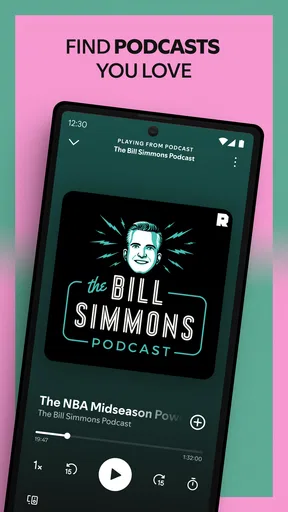
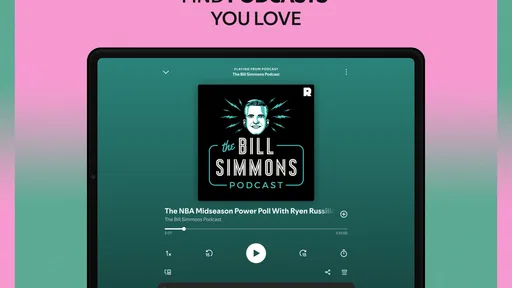
Now, let's talk about podcasts. If you’re a podcast junkie like me, Spotify is a paradise. With everything from true crime to comedy, there’s a podcast for every mood and moment. The app does an amazing job of organizing your shows, making it super easy to pick up right where you left off. I’ve discovered so many gems just by browsing Spotify’s podcast section.
Choosing between music and spoken audio
For a commute, having music and spoken shows in one app is genuinely convenient: I can switch from a short playlist to an episode without changing services. For a long-running podcast, though, I’d check that I can find the show and episode I need before relying on one app as my only listening option. If I follow many series, I also find it useful to decide what I’m in the mood for before pressing play; browsing can easily turn a limited break into a long search.
Compared with a dedicated podcast player, Spotify’s advantage is having shows alongside music and recommendations in one place. A specialist player may be a better fit if my priority is a podcast-first workflow and the particular organization tools I prefer. For music, the comparison is different: Spotify’s strongest appeal is the combination of discovery, playlists, and a large familiar listening community, while another service may suit someone who prefers a different interface or already keeps their music library elsewhere.
Offline Listening and More
One of the best parts? Offline listening. You can download your favorite songs and episodes to listen to without using up your data. Perfect for those long flights or when you’re stuck somewhere with spotty internet. I personally find this feature invaluable, especially when I’m out and about.
I plan offline listening before I leave rather than assuming a weak connection will be good enough at the last minute. For a trip, I’d choose the album or episodes I’m most likely to finish, download them while I have a reliable connection, and check that they’re available offline before heading out. It’s a useful workflow for limiting mobile data, but downloaded listening does take preparation and storage space. If I’m short on device storage, I’d keep the offline selection small and remove items after the trip.
Another trade-off is that an offline copy is most helpful when I already know what I want. If I’m hoping to browse widely or follow a recommendation into unfamiliar music, I’ll need a connection for that discovery. I think of downloads as a dependable travel plan, not a replacement for all online listening.
Sharing music while keeping choices personal
And, if you're someone who loves to share music, Spotify's got you covered with its social features. You can see what your friends are listening to, share playlists, and even collaborate on them. It’s a great way to connect with friends over shared music tastes.
Collaboration works best when everyone agrees on the purpose of a playlist. For a road trip, I’d ask each person to add a few reliable picks rather than let the queue become a contest; for a shared work playlist, I’d keep contributions calm and easy to skip. I also wouldn’t assume I need to share every listening choice just because social options are available. A private listening mood and a shared playlist can serve different purposes, and choosing when to use each helps keep the experience comfortable.
Account choices and data-sensitive moments
Music preferences can feel personal, especially when I’m listening around family, coworkers, or friends. I’d take a moment to look through the account and privacy controls visible in the app, then decide which social choices I actually want to use. I don’t assume that every control works the same way across devices or versions, so I’d check the setting on the device I use most rather than rely on memory or someone else’s instructions.
I’m also careful when an app asks for access through the operating system. I consider what I’m trying to do at that moment, whether the requested access is relevant to it, and whether I’m comfortable allowing it. If I’m unsure, I pause and review the permission prompt and the device’s controls instead of granting access automatically. That’s a sensible habit for any audio app, not a reason to assume a particular permission is required.
When I’m listening on a shared phone or speaker, I think about the account that is active and what may be visible to other people. I’d switch accounts or avoid changing someone else’s recommendations without checking first. These small choices matter more to me than broad assurances: I want to understand what I’m sharing, what I’m controlling, and when I’m simply listening.
The Premium Perks
While the free version of Spotify is pretty fantastic, going Premium takes the experience up a notch. No ads, unlimited skips, and the ability to play any song you want—that’s music to my ears. It feels like a small price to pay for such a seamless listening experience.
That said, I’d choose a plan only after checking its current terms and deciding which listening frustrations I’m actually trying to fix. If I mainly use the app casually, the free option may be enough for me. If ads or playback limits interrupt long sessions, a paid option may feel worthwhile. I wouldn’t call it a universal upgrade: the right choice depends on how often I listen, what controls matter to me, and whether the benefits justify the cost in my own routine.
Who will enjoy it, and who may prefer another route
I’d recommend Spotify to someone who moves between music and podcasts, likes being nudged toward unfamiliar tracks, and wants playlists that can be shared with friends. It also suits a listener who prefers to start with a mood or mix rather than curate every song. For a busy day, I might put on a familiar playlist while getting ready, switch to an episode on the way to an appointment, and rely on previously downloaded audio if I know the route has patchy reception.
I’d hesitate if I wanted a strictly podcast-focused tool, dislike recommendation-led browsing, or already manage a carefully organized music collection in another service. Someone who values a different interface or wants more direct control over how they discover music may be happier elsewhere. And if offline listening is important, I’d plan around downloads rather than assume that everything will be available without a connection.
A cautious verdict
Overall, Spotify: Music & Podcasts is more than just an app; it’s a lifestyle. Whether you’re a casual listener or a die-hard music fan, it offers something for everyone. So, if you haven’t already, give it a whirl. Trust me, your ears will thank you!
My more measured recommendation is to try it with a clear idea of what I want from it: easy discovery, music and shows together, or sharing playlists. I’d spend a few minutes checking the account choices that matter to me, test the listening routine I expect to use, and see whether its suggestions feel useful rather than intrusive. For me, its best quality is convenience paired with a sense of exploration; its main caution is that convenience should not replace checking settings, managing downloads, or choosing what I want to share.
Pros
- Extensive music library with diverse genres.
- Personalized playlists enhance discovery.
- High-quality audio streaming options.
- Cross-platform sync for seamless access.
- Offline listening for premium users.
Cons
- Ads can be intrusive in free version.
- Limited skips for non-premium users.
- Data usage can be high on mobile.
- Some songs not available in all regions.
- Requires premium for best features.
FAQs for Spotify: Music & Podcasts
What is Spotify: Music & Podcasts?
Spotify is a leading digital music service that gives you access to millions of songs and podcasts from artists all over the world. It offers both free and premium subscription plans, allowing users to stream music online and download tracks for offline listening on mobile devices.
How much does Spotify Premium cost and is it worth it?
Spotify Premium costs $9.99 per month in the US, with discounts available for students, families, and duo plans. It offers an ad-free experience, offline downloads, and unlimited skips, making it worth it for users who want uninterrupted music and additional features like high-quality audio.
Can I use Spotify offline?
Yes, Spotify Premium users can download music and podcasts to listen offline. This feature is particularly useful for saving data and enjoying media without an internet connection. Free users, however, can only stream content online and do not have access to offline downloads.
Is Spotify available on all devices?
Spotify is available on a wide range of devices, including smartphones, tablets, computers, smart TVs, and gaming consoles. It supports both Android and iOS platforms, offering seamless integration with various operating systems and easy access through web and desktop apps.
How does Spotify's algorithm work for music recommendations?
Spotify uses a sophisticated algorithm to recommend music based on your listening habits, playlists, and liked tracks. It analyzes data to create personalized playlists like Discover Weekly and Release Radar, helping you explore new music tailored to your tastes and preferences.


